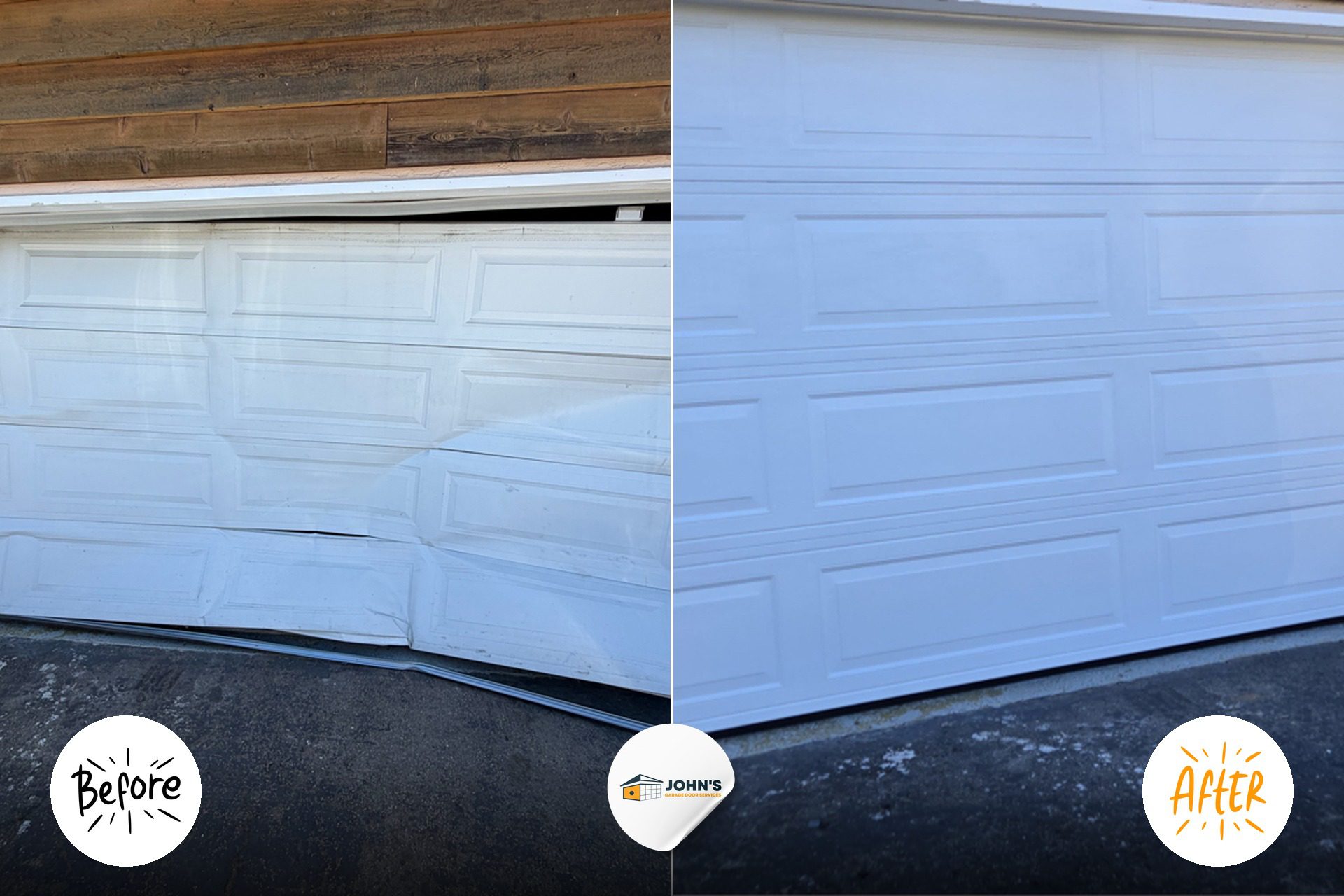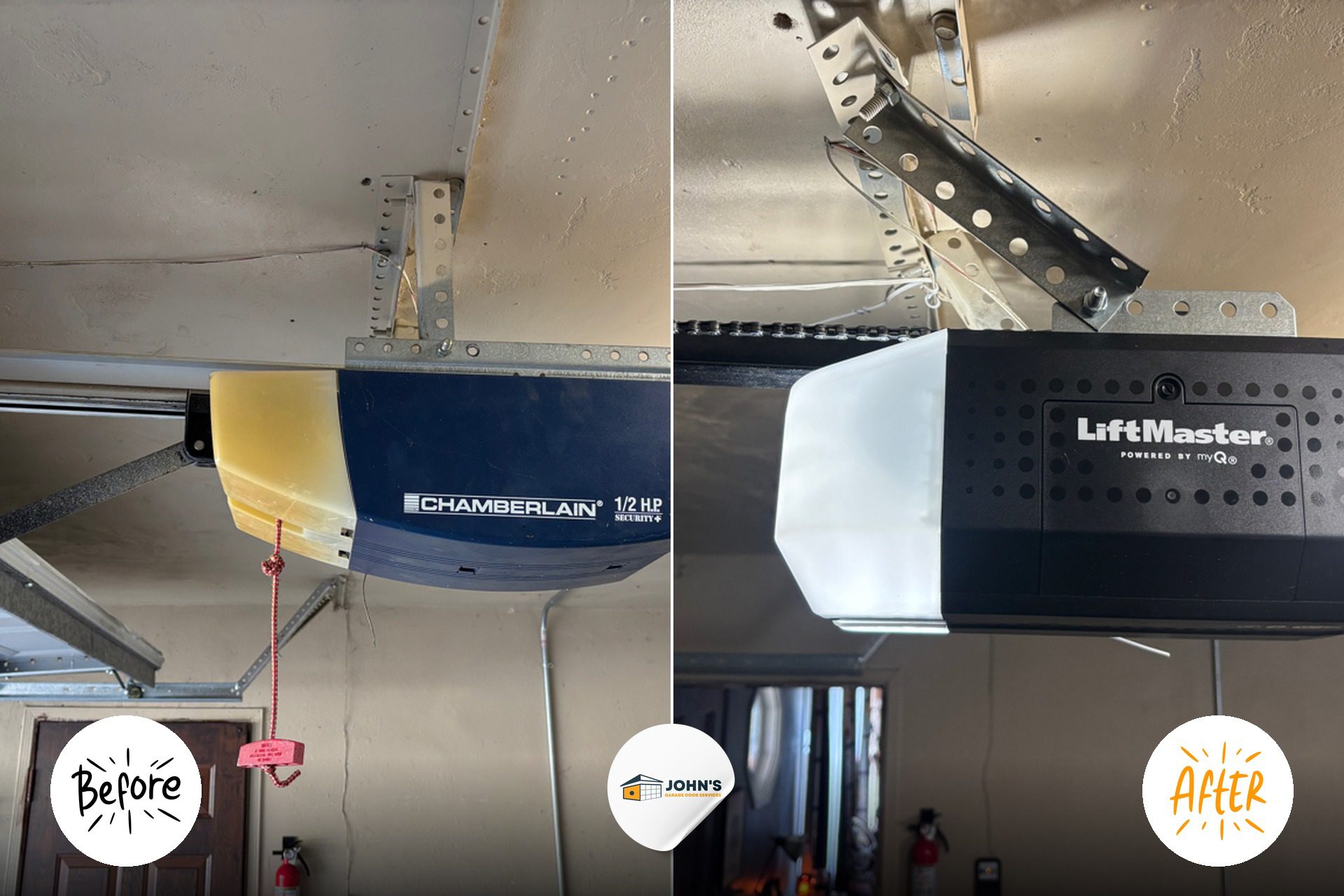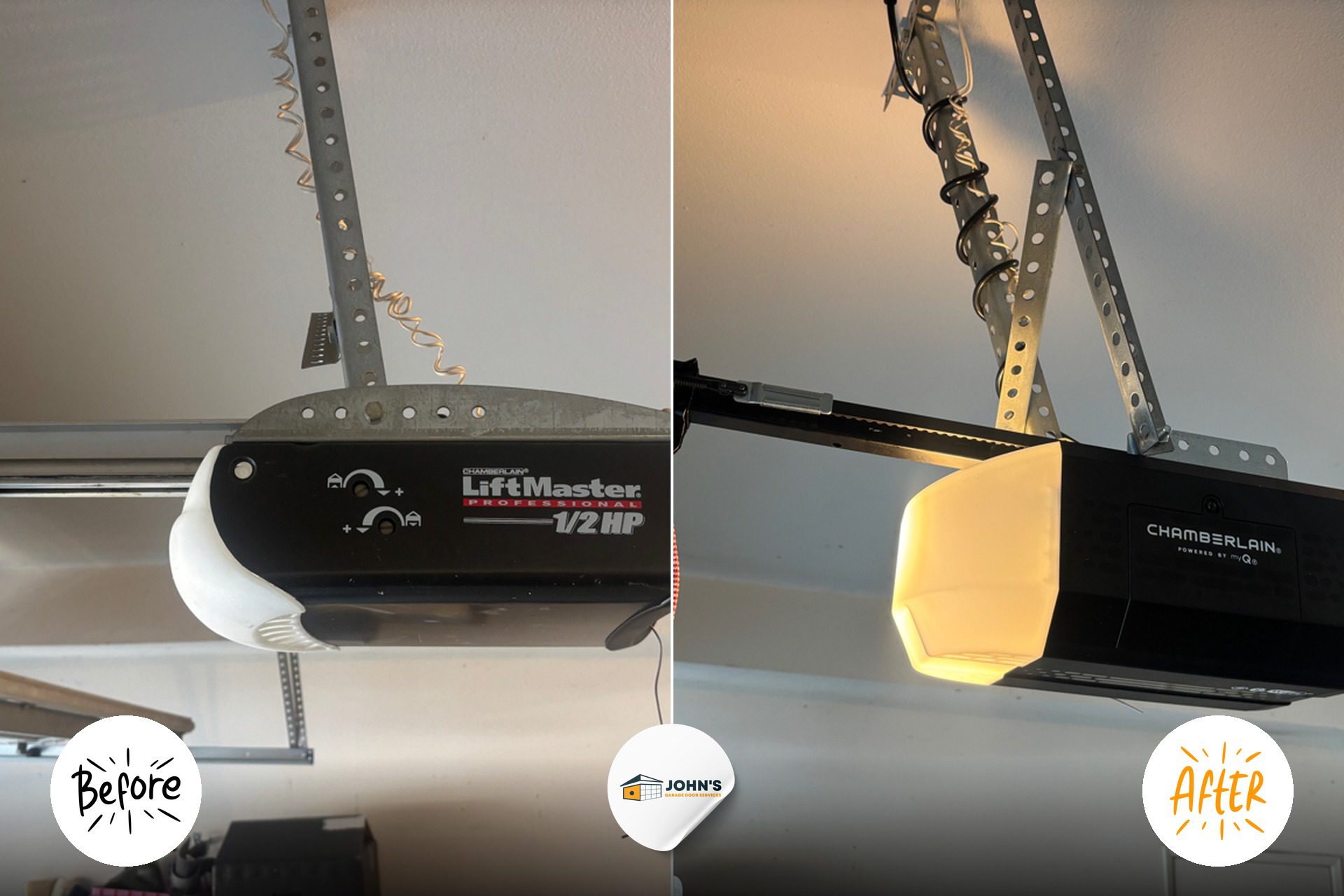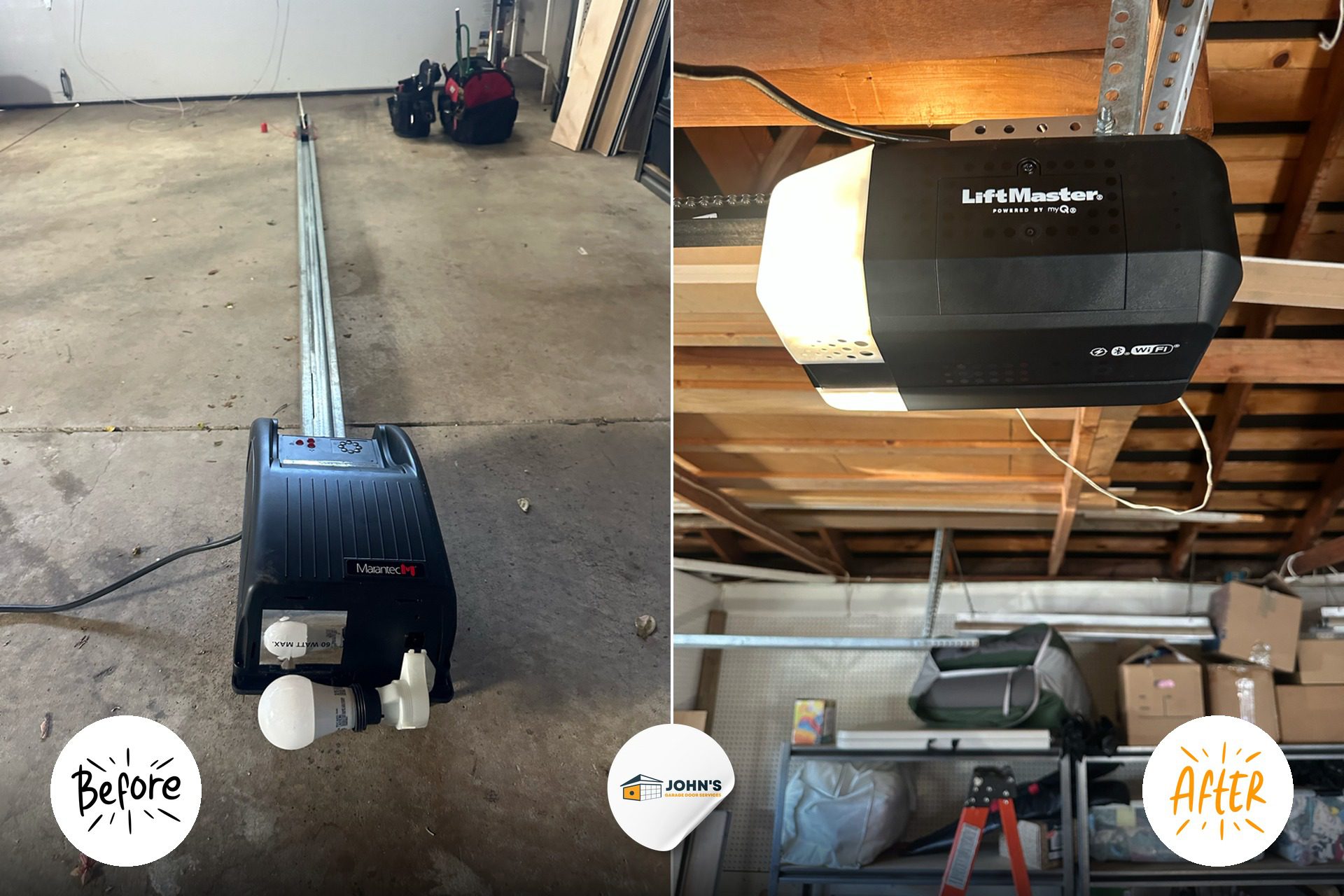
After two decades servicing garage doors across San Diego County, I’ve seen how a quick monthly safety check can prevent expensive repairs and dangerous malfunctions. Most homeowners skip this simple routine, but I’m going to show you how to complete a thorough inspection in just ten minutes.
Your garage door is the largest moving part of your home, and it deserves a few minutes of attention each month. Let me walk you through the exact checklist our team uses when we visit homes throughout Clairemont, La Jolla, and beyond.
How Often Should You Perform a Garage Door Safety Check?
You should inspect your garage door once per month, taking about 10 minutes to check all critical components. This monthly routine helps you catch small issues before they become safety hazards or costly repairs.
I recommend picking the first Saturday of each month so it becomes a habit. Set a phone reminder if needed.
The Visual Inspection: What to Look For
Start by simply watching your door operate through a complete cycle. Stand inside your garage and press the opener button, then observe carefully.
The door should move smoothly without jerking, hesitating, or making grinding sounds. If you notice uneven movement or hear metal scraping, that’s your first red flag.
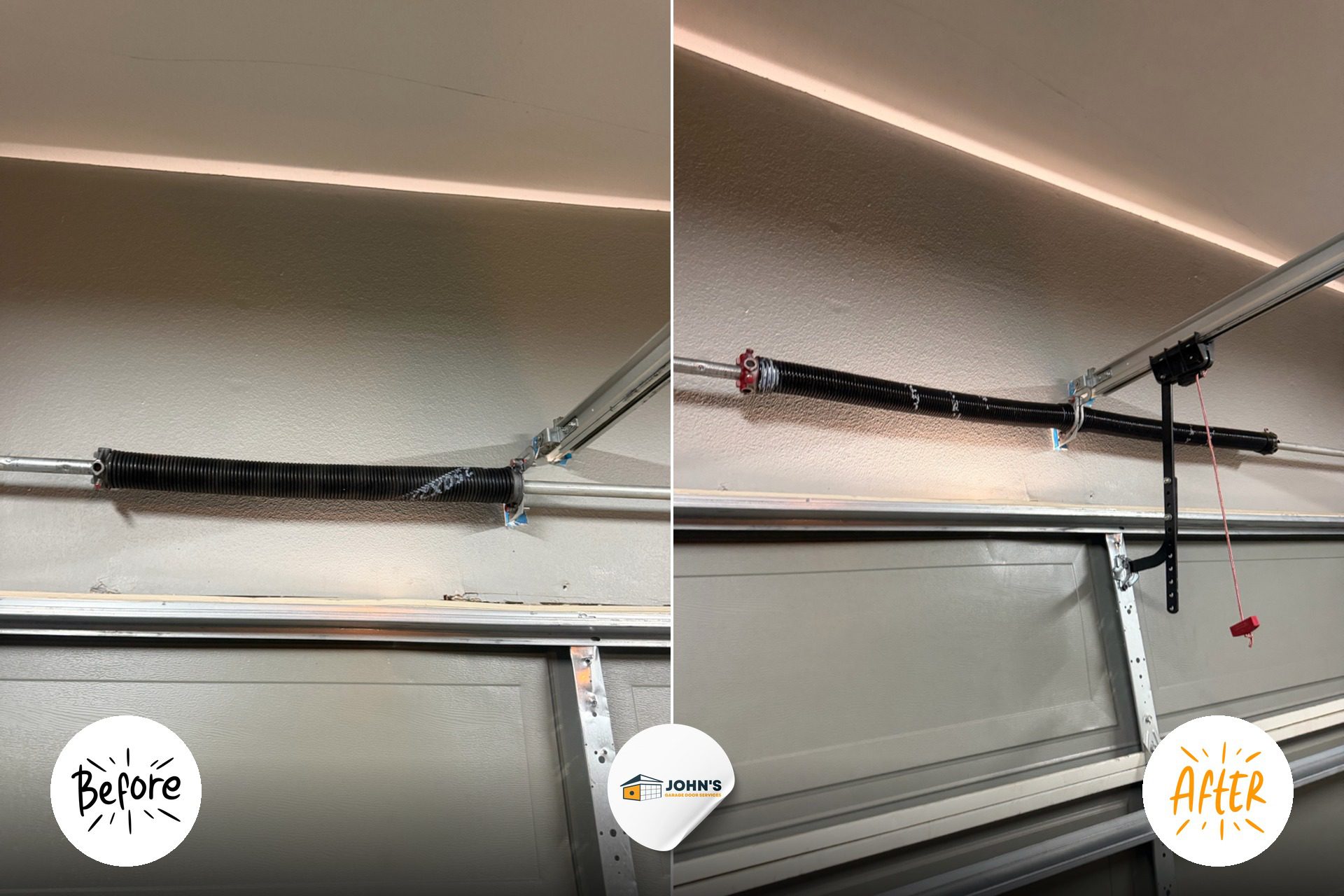
Next, check the cables on both sides of the door. These high-tension cables should be tightly wound with no fraying or broken strands. Never touch these cables yourself, as they’re under extreme tension and can cause serious injury.
Testing the Auto-Reverse Safety Feature
This is the most important safety check I teach San Diego homeowners. Place a 2×4 board or roll of paper towels flat on the ground in the door’s path, then close the door.
When the door contacts the object, it should immediately reverse and open fully. If it doesn’t reverse within one second of contact, your opener needs Professional Adjustment For San Diego Homeowners right away.
Also test the photo-eye sensors by waving a broom handle between them while closing. The door should stop and reverse instantly.
Listening for Warning Sounds
Your ears are powerful diagnostic tools. During operation, listen for squeaking, grinding, or rattling sounds that weren’t there before.
Squeaking usually means your rollers need lubrication or replacement. Grinding sounds often indicate worn bearings or misaligned tracks. A loud bang or pop could signal a spring issue requiring immediate attention.
In Southern California’s dry climate, we don’t deal with rust as much as other regions, but dust and debris can still cause friction and noise.
The Balance Test You Can Do Yourself
Disconnect your opener by pulling the red emergency release handle. Manually lift the door halfway up and let go.
A properly balanced door should stay in place or move only slightly. If it falls rapidly or shoots upward, the spring tension is off and needs professional adjustment.
Never attempt to adjust springs yourself. I’ve treated injuries from DIY spring repairs, and they’re not worth the risk.
Quick Hardware Inspection
Walk along both tracks and check the mounting brackets and bolts. Our Santa Ana winds and occasional seismic activity can loosen hardware over time.
Tighten any loose bolts with a socket wrench, but don’t over-tighten. You want them snug, not stripped.
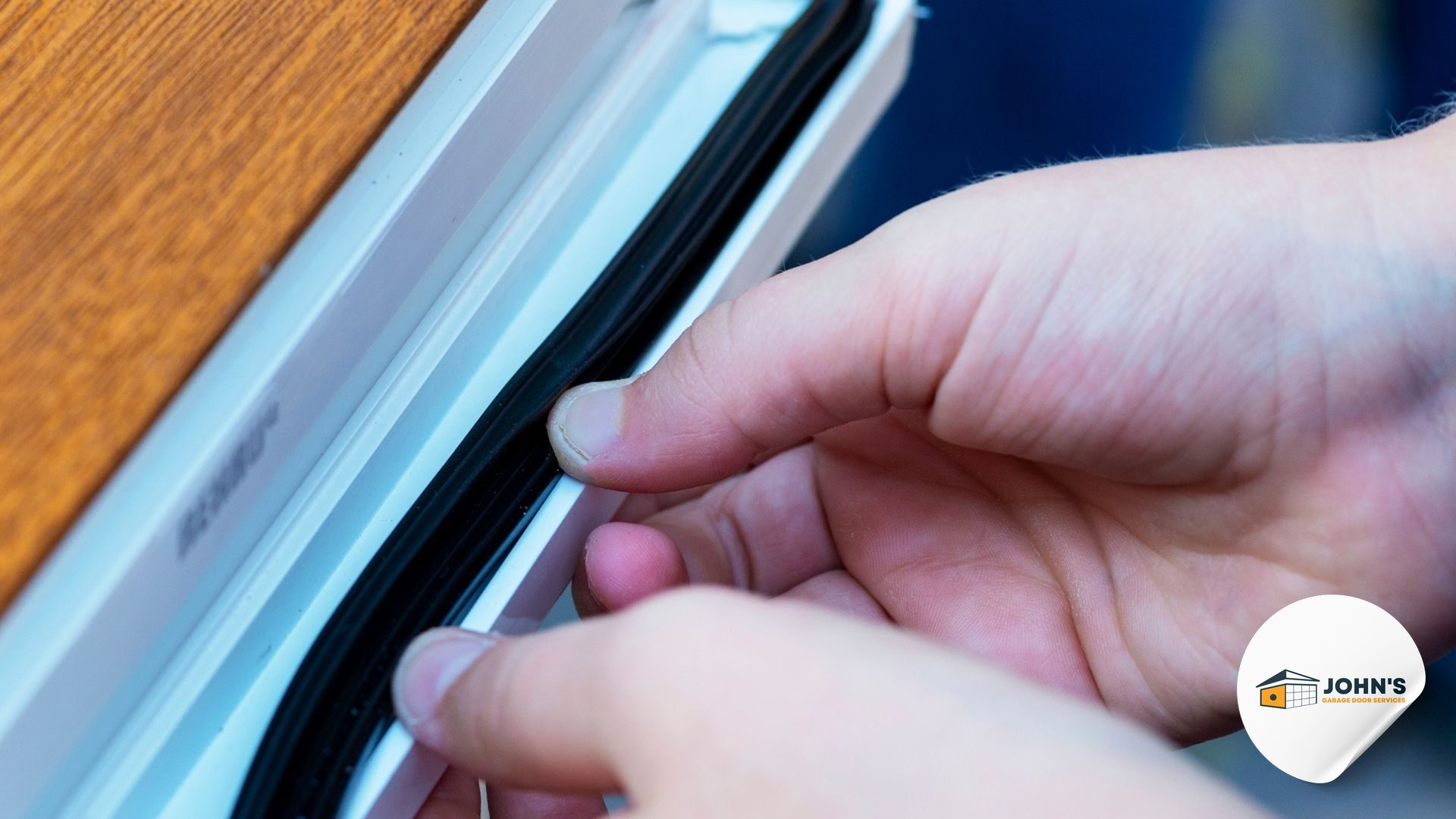
Check weatherstripping along the bottom of your door for cracks or gaps. This seal protects against our occasional heavy rains and keeps your energy bills down.
What Should You Lubricate During Your Monthly Check?
Apply silicone-based lubricant to rollers, hinges, and the opener chain or screw drive once per month. Use three to four drops per hinge and roller, wiping away any excess.
Avoid WD-40, which is a solvent rather than a lubricant. I recommend products specifically designed for garage doors that won’t attract dust.
Skip lubricating the tracks themselves. Clean tracks work better than greased ones.
When to Call the Professionals
If your monthly check reveals broken cables, spring issues, or failed safety tests, don’t attempt DIY repairs. These components are dangerous and require Professional Tools And Training For Garage Door Maintenance.
We’ve served homeowners throughout Mira Mesa, Point Loma, and all of San Diego for years, and we’re always here when your monthly check reveals something beyond DIY fixes. A ten-minute inspection now can save you from a 2 AM garage door emergency later.
Contact John’s Garage Door whenever you need expert eyes on your system. We’ll keep your door safe, smooth, and reliable for years to come with our Garage Door Maintenance Service, or Get A Quote today.
John Josef – 15 Years of Garage Door Expertise – John’s Garage Door Services, Locally Owned and Operated. We provide top-quality garage door repair, installation, and maintenance with a strong commitment to honest, reliable customer service.