I’ve been servicing garage doors across San Diego for years, and I’ve seen firsthand how garages can become dangerous spaces when it comes to carbon monoxide exposure. Many homeowners don’t realize that their attached garage poses a serious CO risk, especially when vehicles idle or gas-powered equipment runs inside.
Installing a carbon monoxide detector in your garage isn’t just smart, it’s essential for protecting your family. Let me share what I’ve learned about garage carbon monoxide safety and why every San Diego home with an attached garage needs proper detection equipment.
Why Carbon Monoxide Accumulates in Garages
Carbon monoxide is an odorless, colorless gas produced by combustion engines and fuel-burning equipment. Your garage creates the perfect environment for CO buildup because most garages have limited ventilation compared to living spaces.
I regularly see San Diego homeowners warming up their cars in the garage on cool mornings or running lawn equipment inside for maintenance. Even brief idling can produce dangerous CO levels that seep into your home through shared walls, doorways, and ventilation systems.
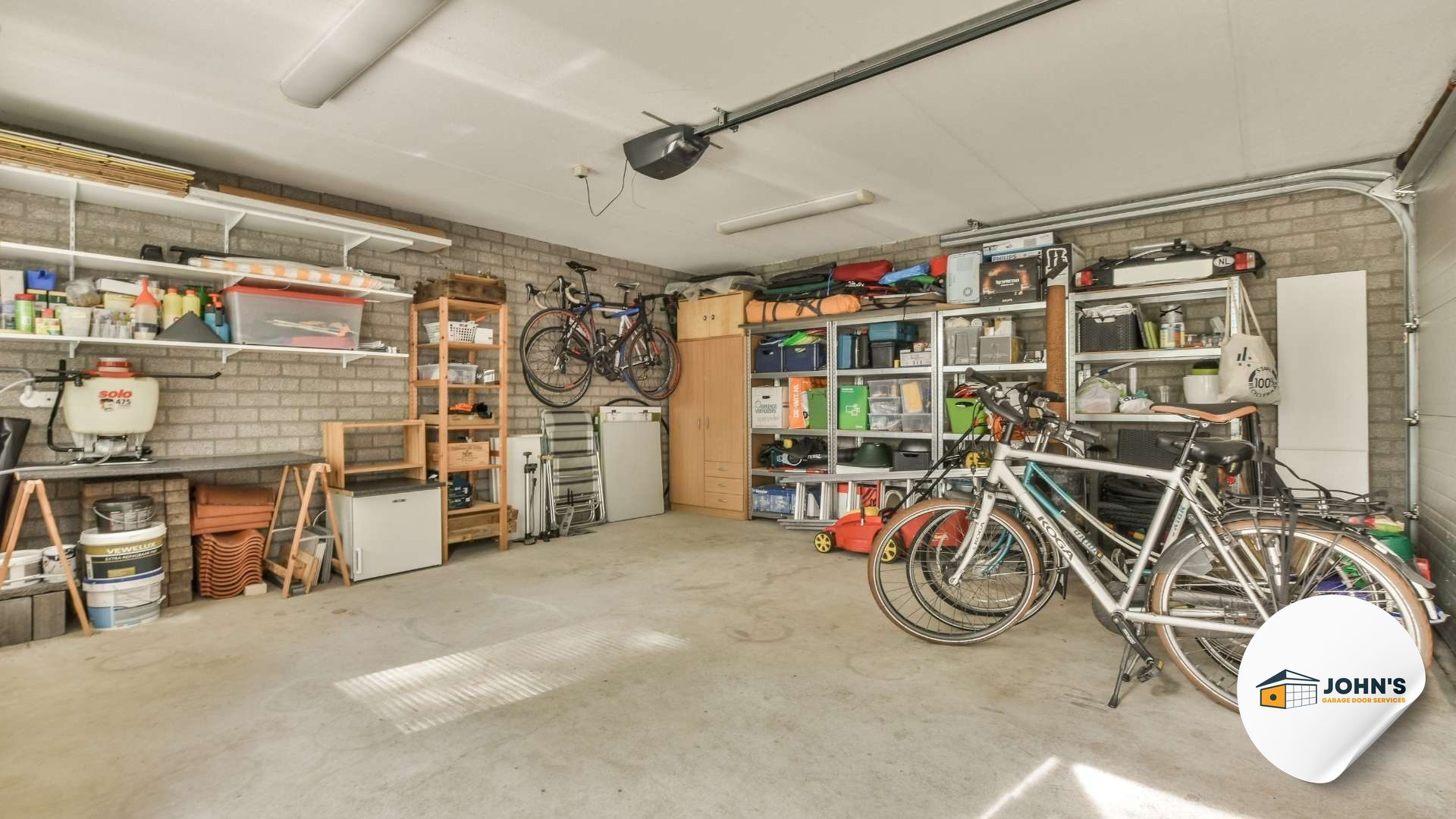
Attached garages are particularly risky because they connect directly to living spaces. The air pressure differences between your garage and home actually pull air from the garage into your house, carrying any accumulated carbon monoxide with it.
Understanding these vulnerabilities is just as important as learning about Wi-Fi Garage Door Opener Security Risks And Cyber Protection for San Diego homeowners.
Common Sources of Garage Carbon Monoxide
During my service calls throughout San Diego County, I’ve identified several CO sources that homeowners overlook. Understanding these risks helps you take proper precautions.
Where Should I Install a CO Detector in My Garage?
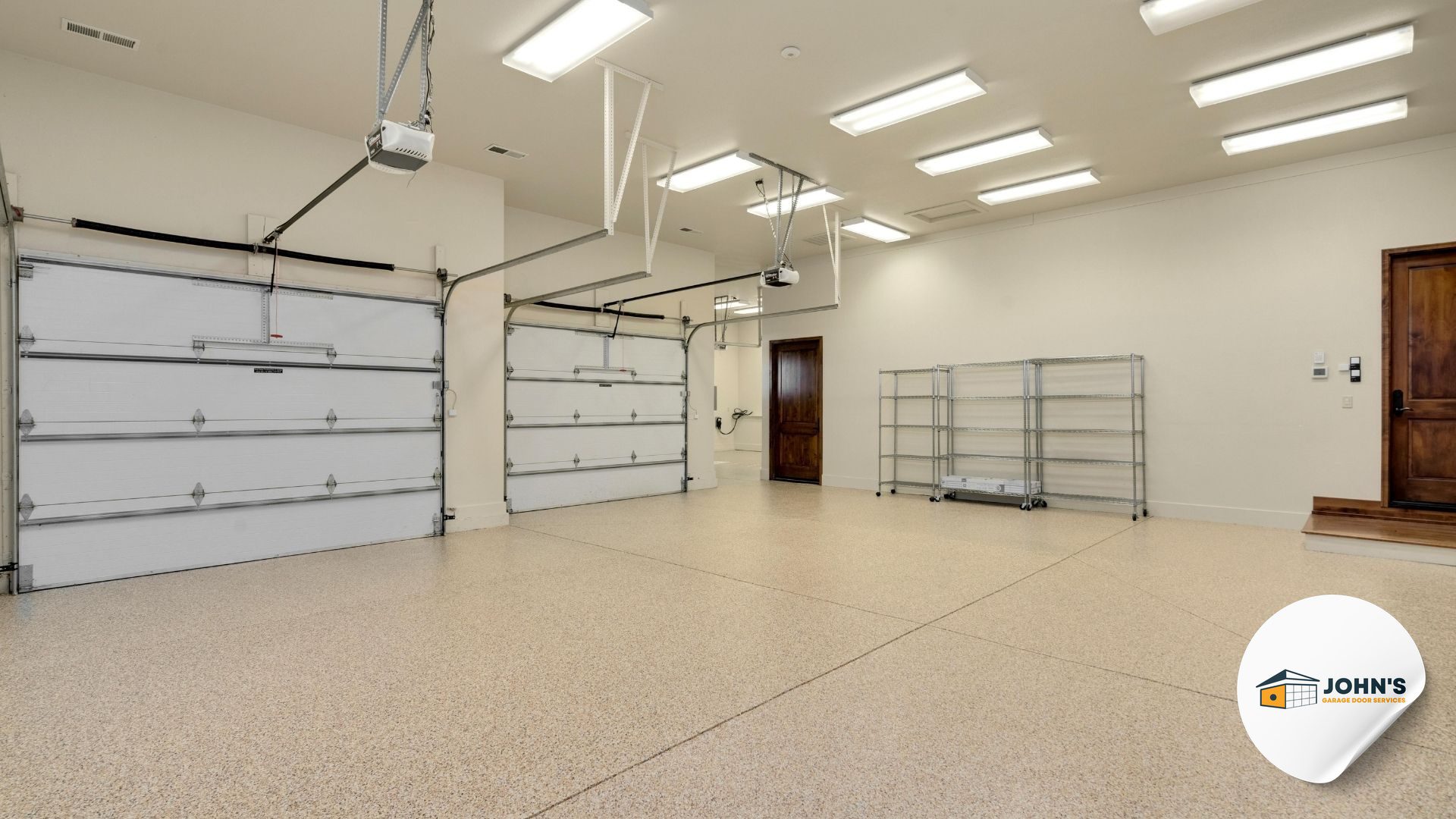
I recommend placing detectors near the door that connects your garage to your home’s living space. This location catches CO before it enters your house. If you have a large garage, consider installing multiple detectors for better coverage.
Avoid placing detectors directly next to vehicle exhaust pipes or near the garage door where outside air might dilute readings. California building codes require CO alarms within 20 feet of bedroom doors, but I always encourage clients to add garage-specific units for extra protection.
Choosing the Right Detector for San Diego Conditions
Not all carbon monoxide detectors work well in garage environments. Our mild San Diego climate might seem ideal, but garages still experience temperature swings and humidity from the marine layer that can affect detector performance.
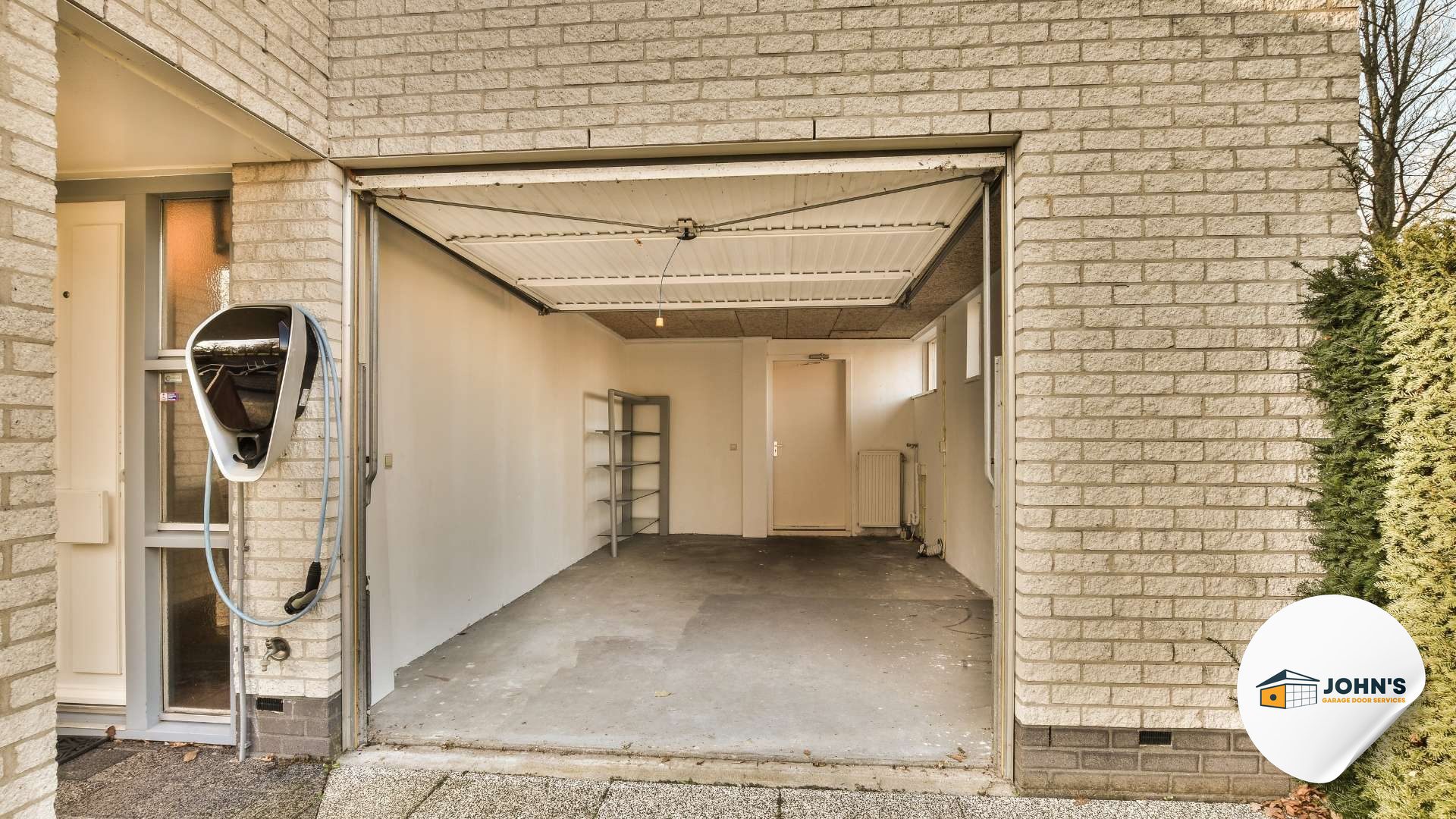
Look for detectors specifically rated for garage use that can handle temperatures from 40 to 100 degrees Fahrenheit. Many standard home CO detectors aren’t designed for the temperature variations and dust levels common in garage spaces.
Just as you would research Choosing The Right Material For Your Residential Garage Door, selecting the appropriate CO detector requires careful consideration. I prefer hardwired detectors with battery backup, especially given California’s increasing power outages. Battery-only units work too, but require diligent maintenance to ensure they’re always functional.
Garage Ventilation Works Hand-in-Hand with Detection
While CO detectors alert you to danger, proper ventilation prevents buildup in the first place. I’ve upgraded countless garage doors throughout Clairemont, Mira Mesa, and La Mesa with better weatherstripping that improves air circulation.
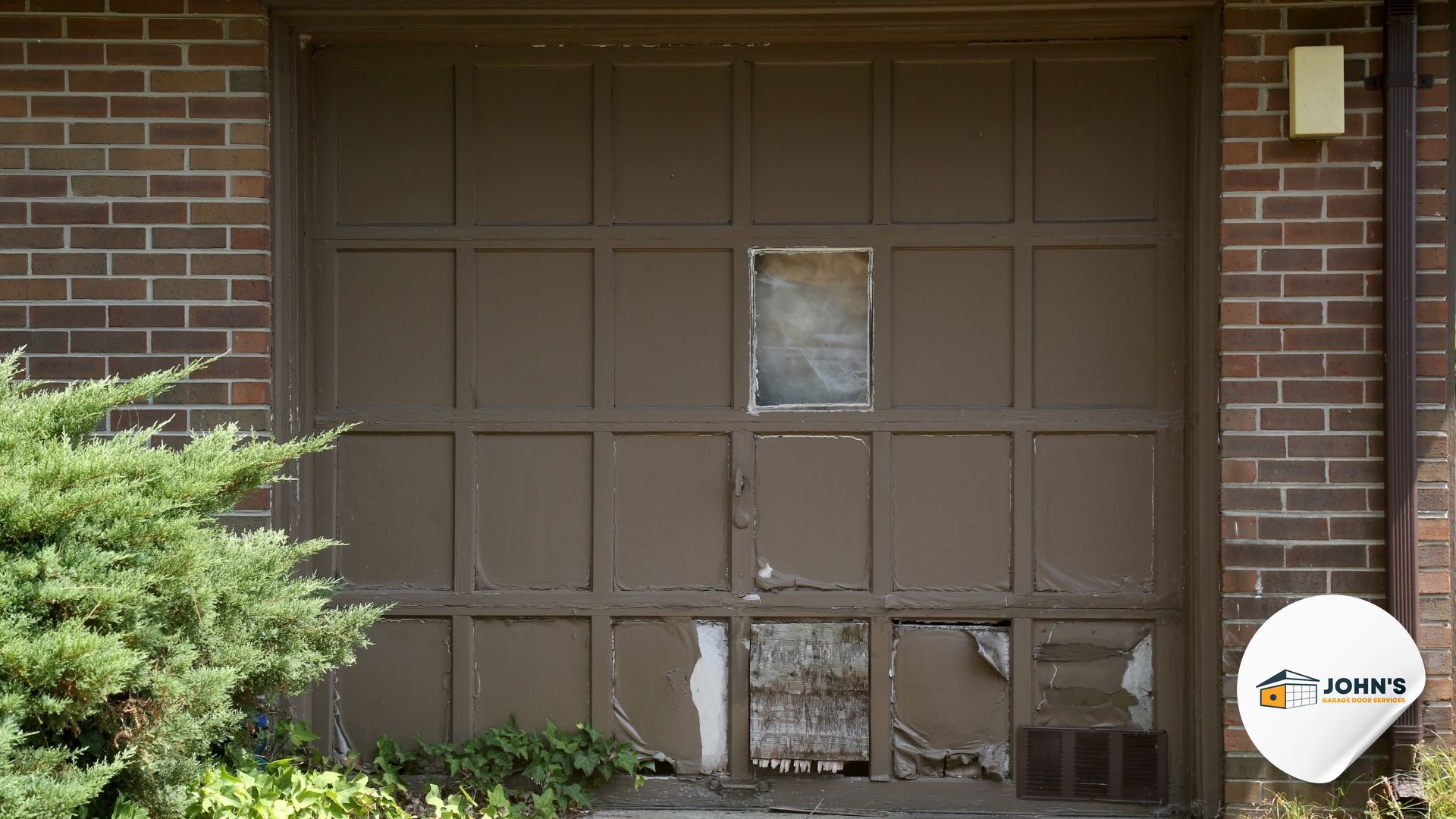
Never run your vehicle inside the garage with the door closed, even for a minute. Opening the garage door fully before starting your car allows exhaust to escape instead of accumulating. Install exhaust fans if you regularly work on vehicles or use gas-powered equipment indoors.
Modern insulated garage doors actually improve safety by creating a better seal between your garage and living space when properly installed. This prevents CO migration into your home while you address the source in the garage.
Regular Garage Door Maintenance Service ensures these safety features continue working effectively.
Protect Your Family with Proper CO Detection
Carbon monoxide poisoning is completely preventable with the right precautions. Installing a quality CO detector in your garage takes minutes but provides years of protection for your family.
At John’s Garage Door, we care about complete garage safety, not just door operation. During our service calls across San Diego, we’re happy to discuss garage ventilation improvements and safety equipment placement.
If you need garage door maintenance, upgrades, or advice on creating a safer garage environment, Get A Quote from our team. Your family’s safety is worth the investment.
John Josef – 15 Years of Garage Door Expertise – John’s Garage Door Services, Locally Owned and Operated. We provide top-quality garage door repair, installation, and maintenance with a strong commitment to honest, reliable customer service.