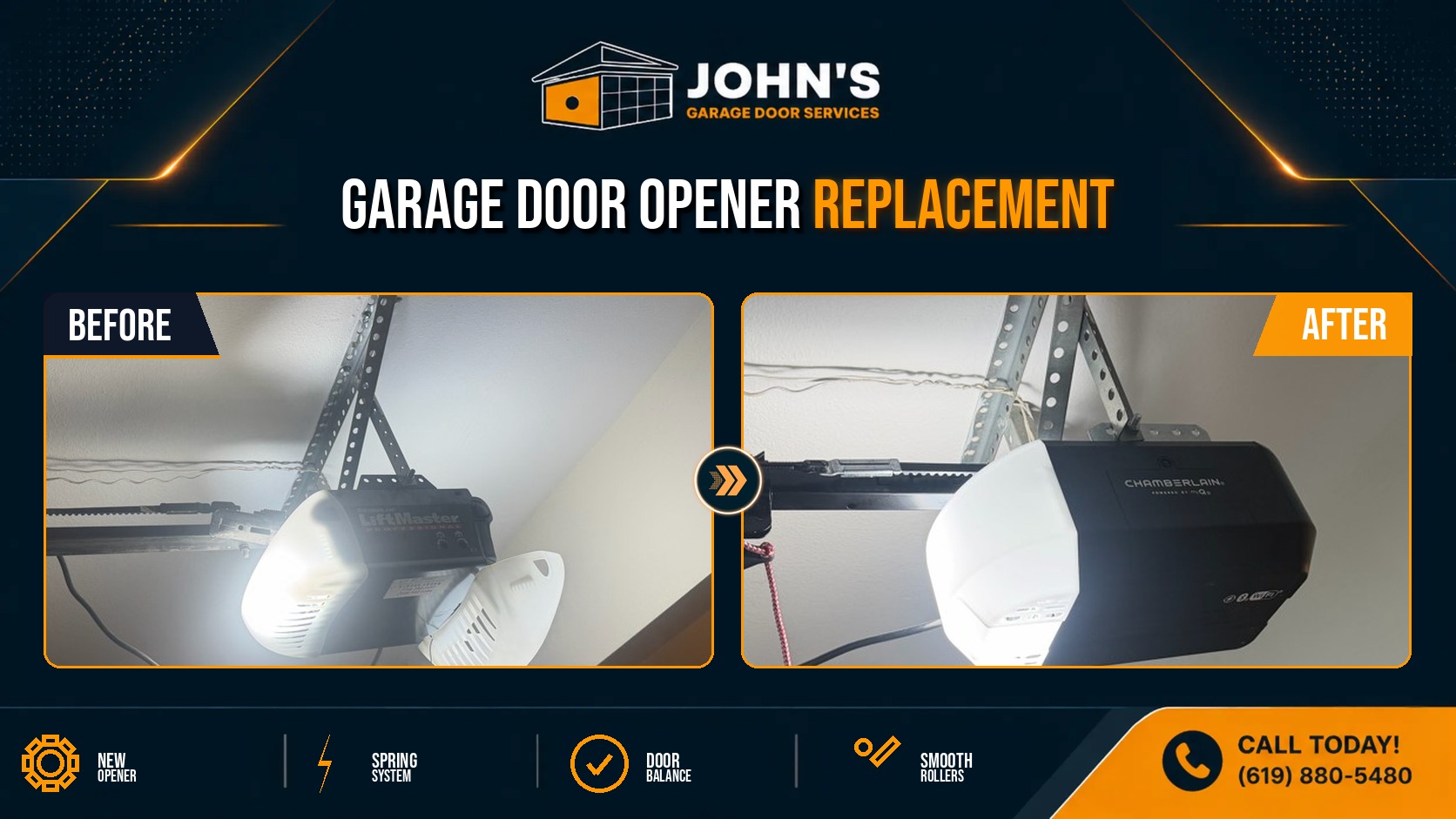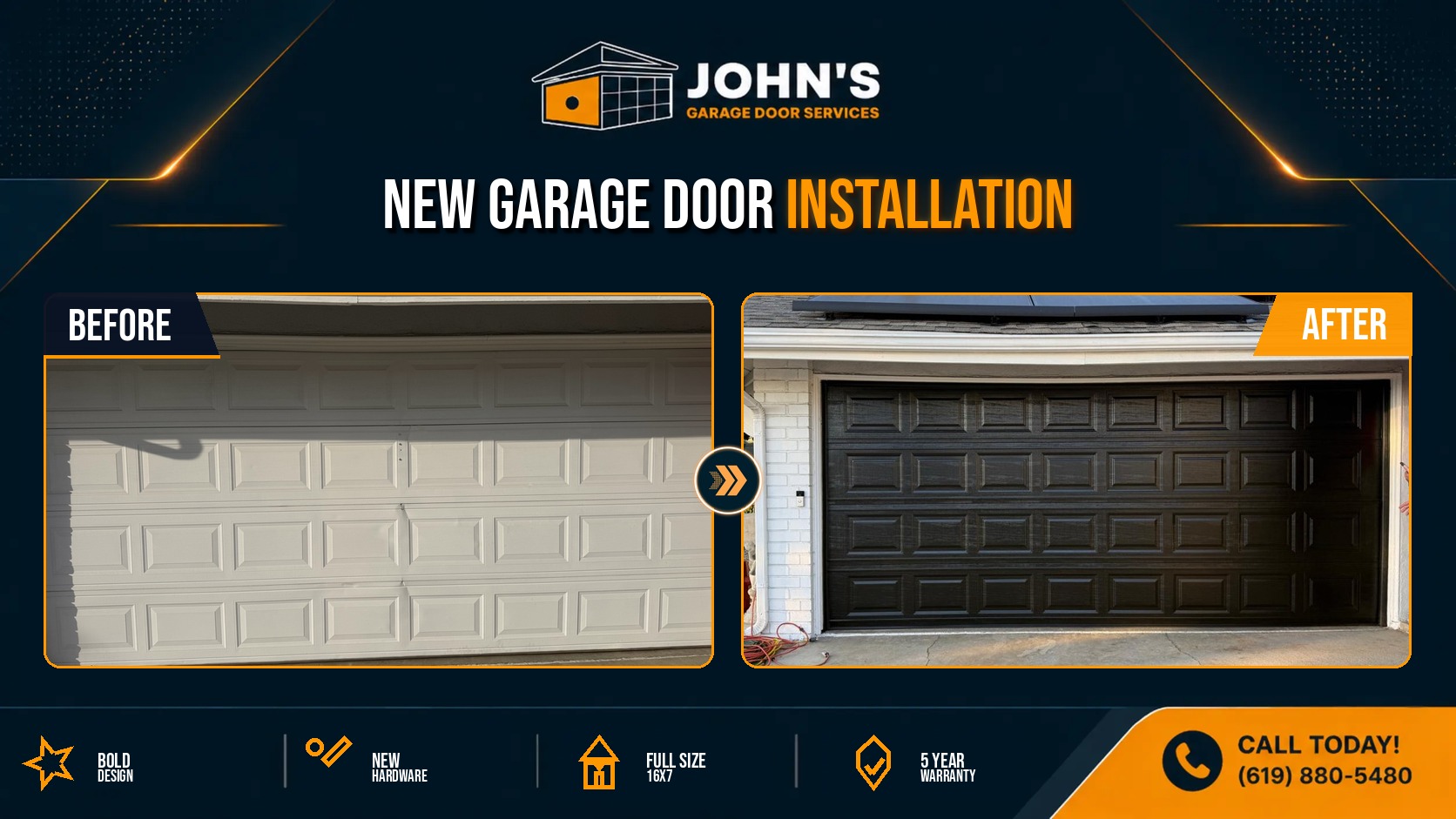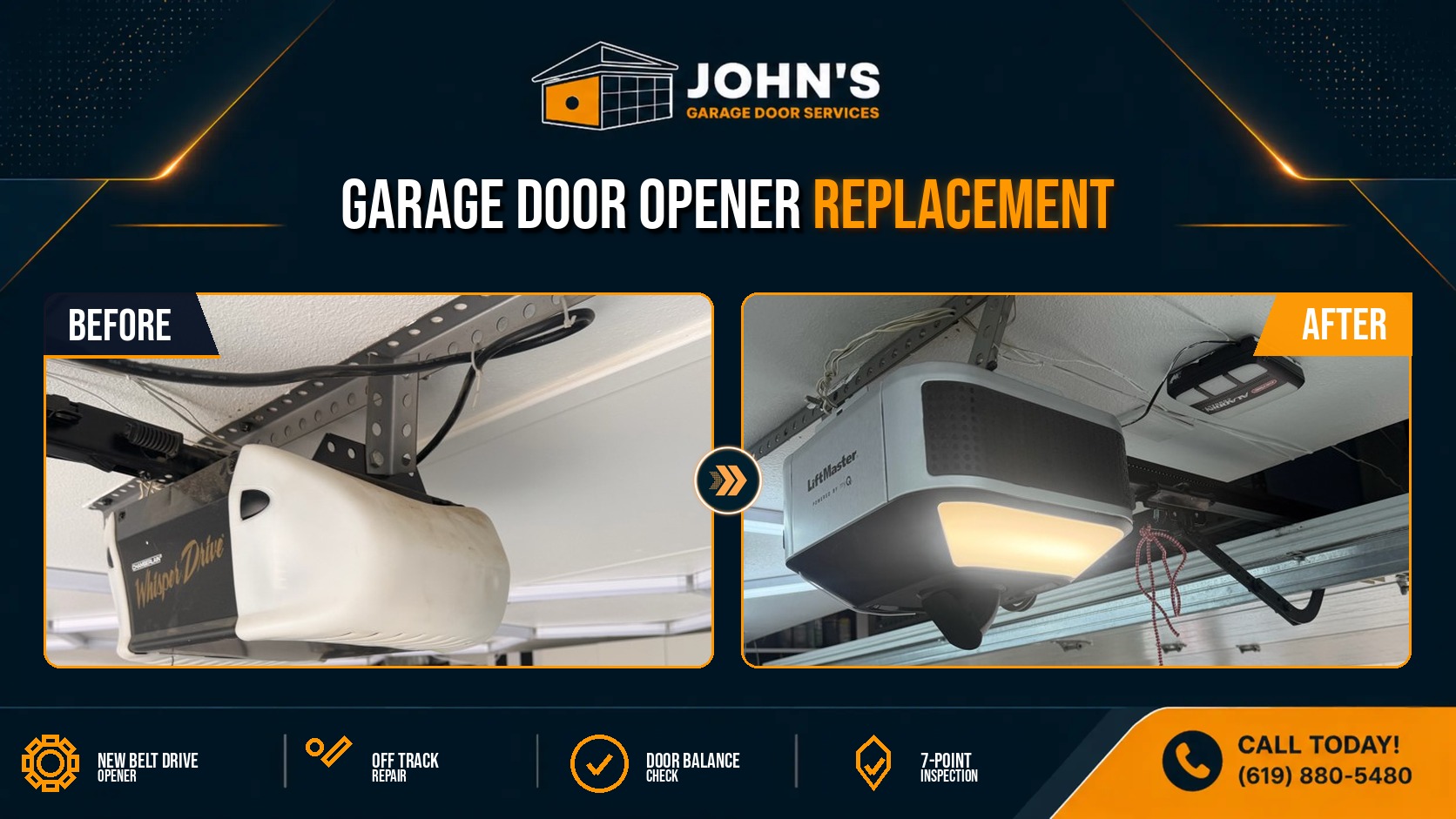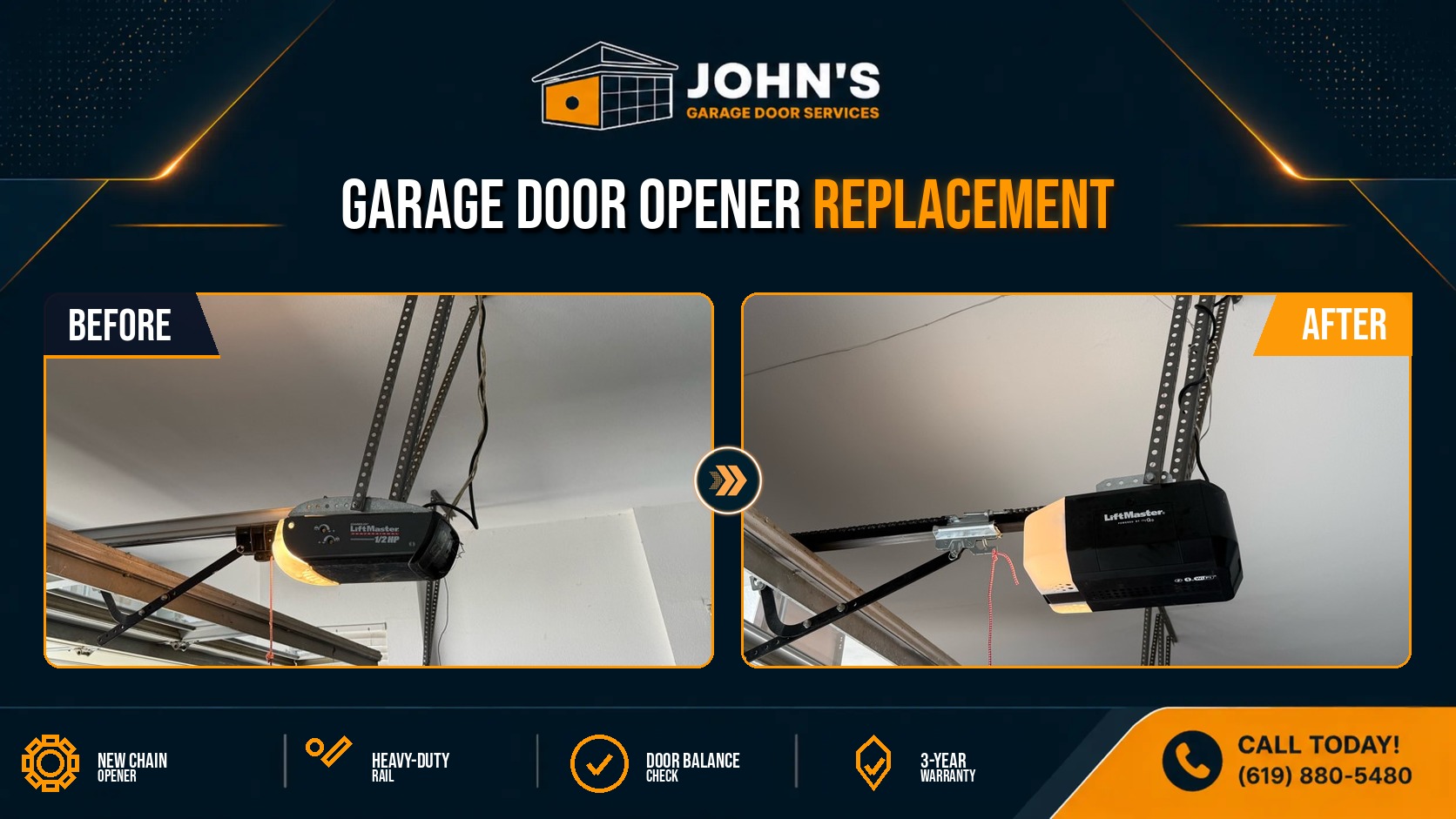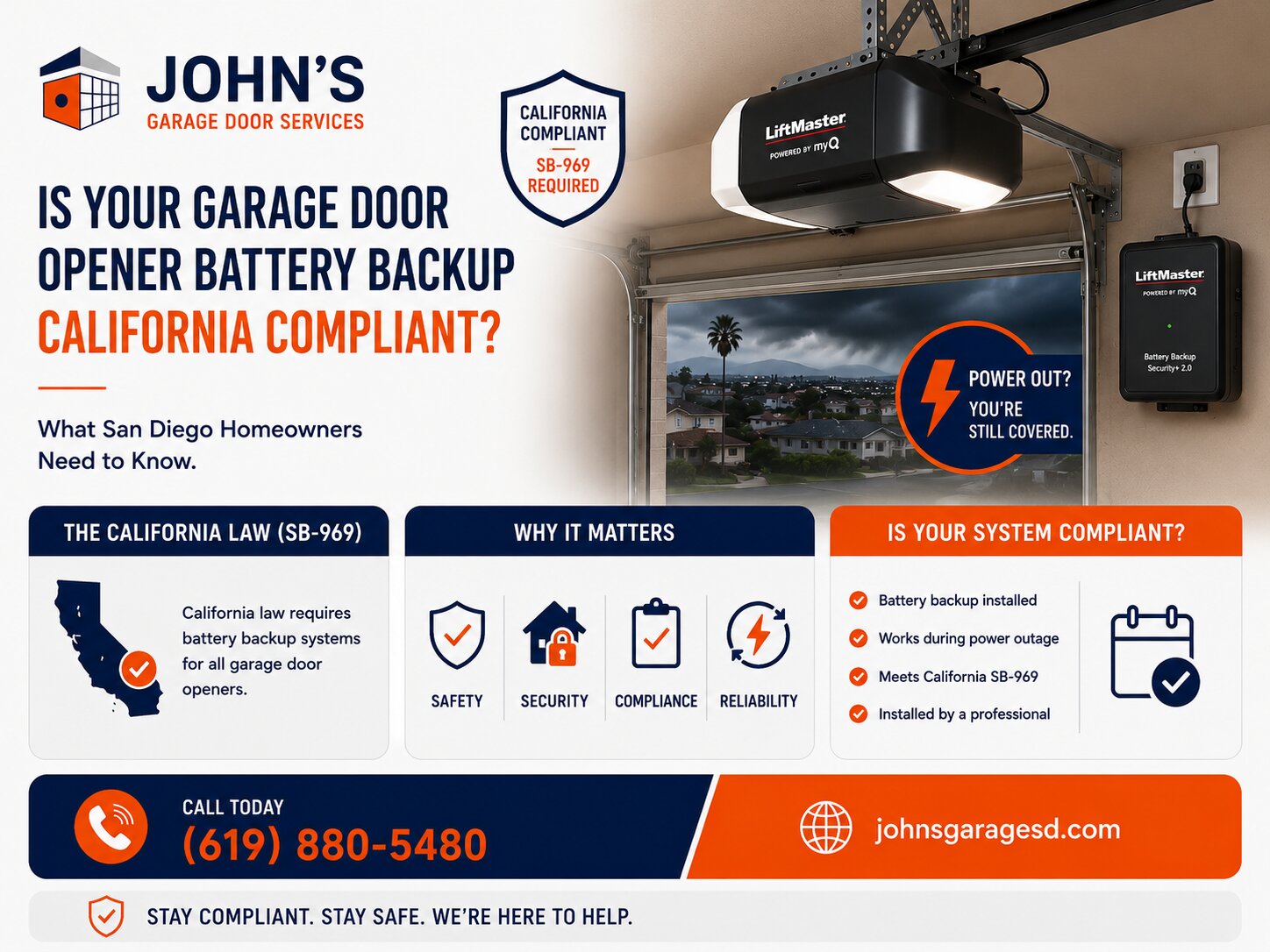
When the power goes out in San Diego, whether from rolling blackouts, equipment failures, or storm damage, your garage door opener should still work. That’s not just good advice anymore. It’s California law.
I’ve installed hundreds of garage door openers across San Diego County since the battery backup requirement took effect, and I still meet homeowners every week who have no idea their system might not be compliant. If you’re selling your home or planning to upgrade, understanding this law could save you from delays and unexpected costs.
What California SB 969 Requires for Garage Door Openers
California Senate Bill 969 mandates that all new garage door opener installations must include battery backup capability. The law went into effect in July 2019, and it applies to any opener installed or replaced after that date.
The reasoning is straightforward. During emergencies like wildfires or earthquakes, homeowners need to evacuate quickly. If the power is out and your garage door won’t open, you’re trapped unless you know how to use the manual release, and many people don’t.
How to Check If Your Current Opener Is Compliant
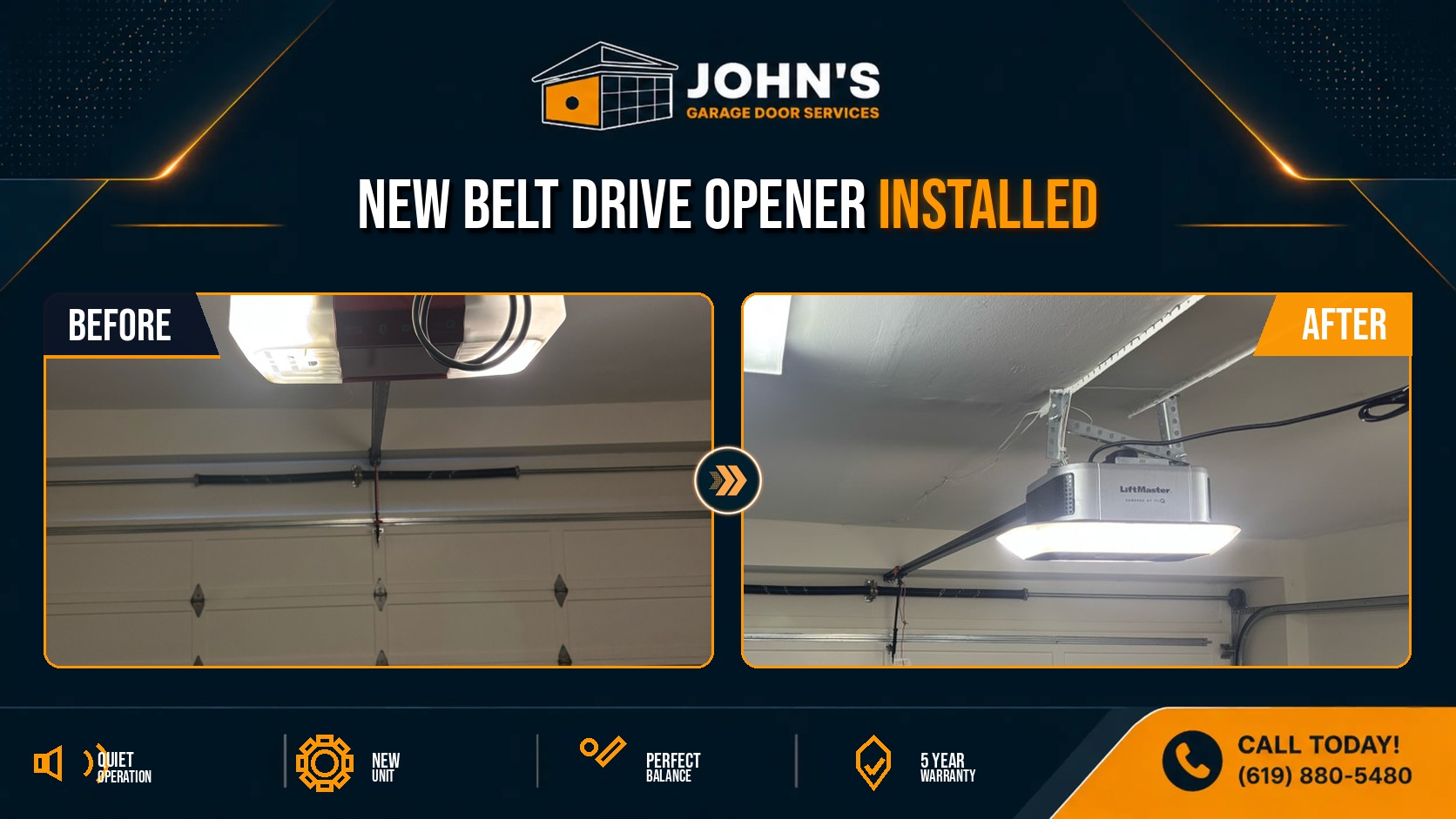
Look at your garage door opener unit mounted to the ceiling. If it was installed after July 2019, it should have either a built-in battery compartment or an external battery backup module connected to it.
Most modern openers with battery backup will have an indicator light that shows the battery status. If you don’t see any battery-related lights or compartments, your opener likely isn’t compliant with current code requirements.
Check your installation paperwork or receipt. The date of installation and the model number will tell you whether your system was required to have battery backup. I recommend testing your battery backup annually by unplugging the opener and trying to operate the door, and it’s also important to Verify Your San Diego Garage Door Contractor Is Properly Licensed And Insured when having any work done.
Retrofit Options for Older Garage Door Openers
If your opener was installed before July 2019, you’re not legally required to add battery backup. But if you’re concerned about functionality during power outages or you’re preparing to sell your home, you have options.
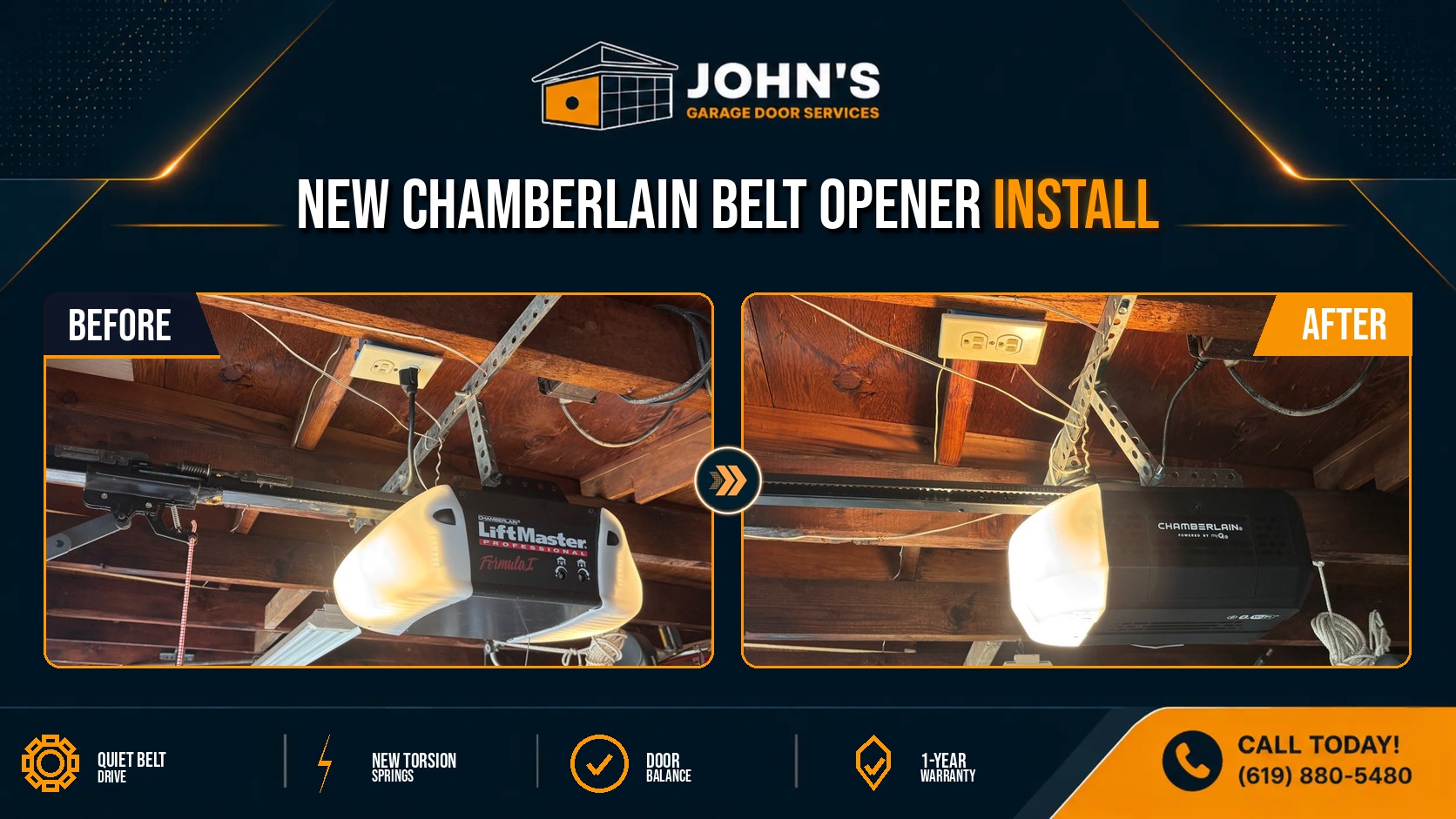
Some older opener models can accept an external battery backup module that connects to the existing unit. I’ve retrofitted many LiftMaster and Chamberlain openers this way for clients in Clairemont and Mira Mesa who wanted the added functionality without replacing their entire system.
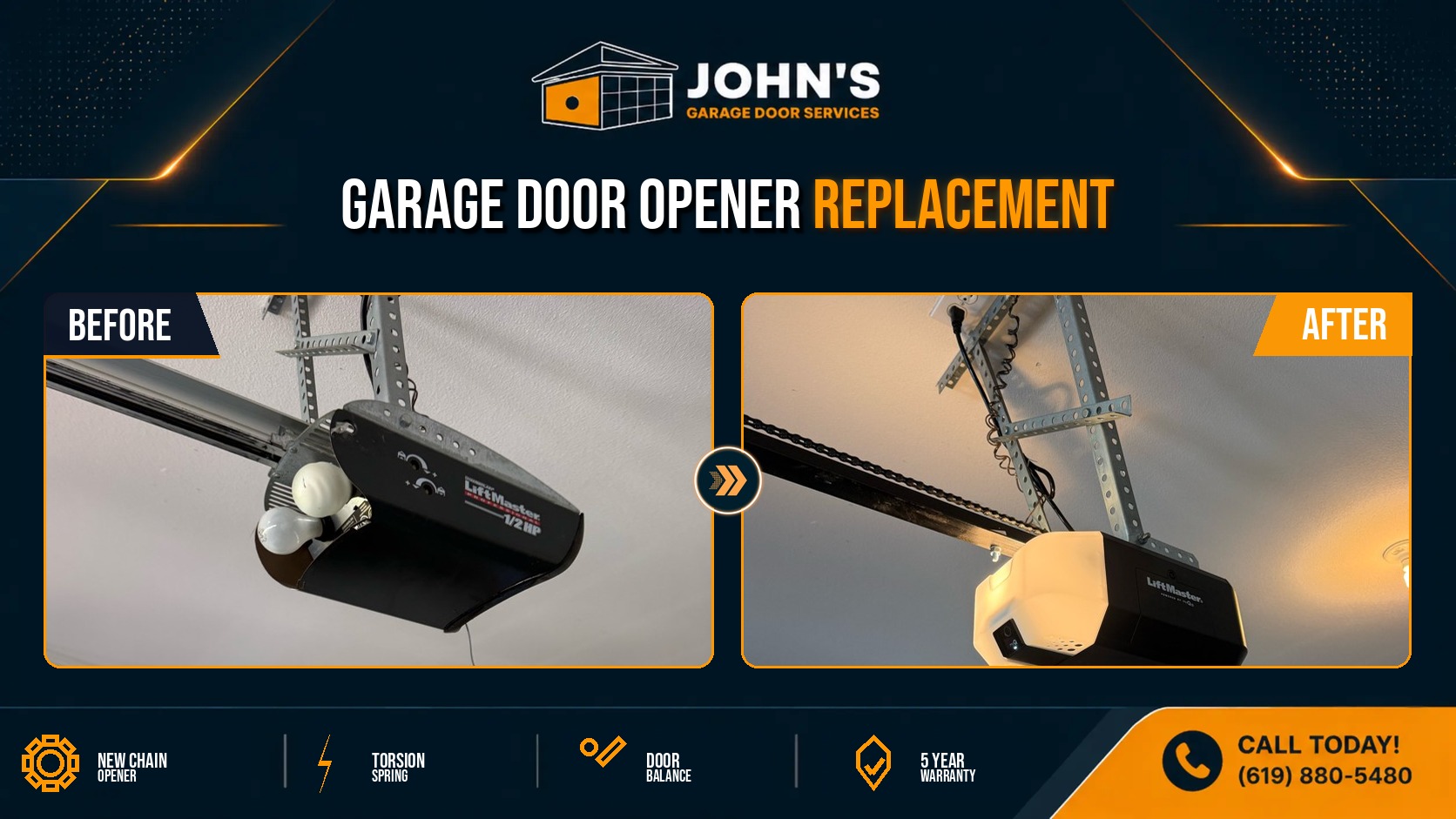
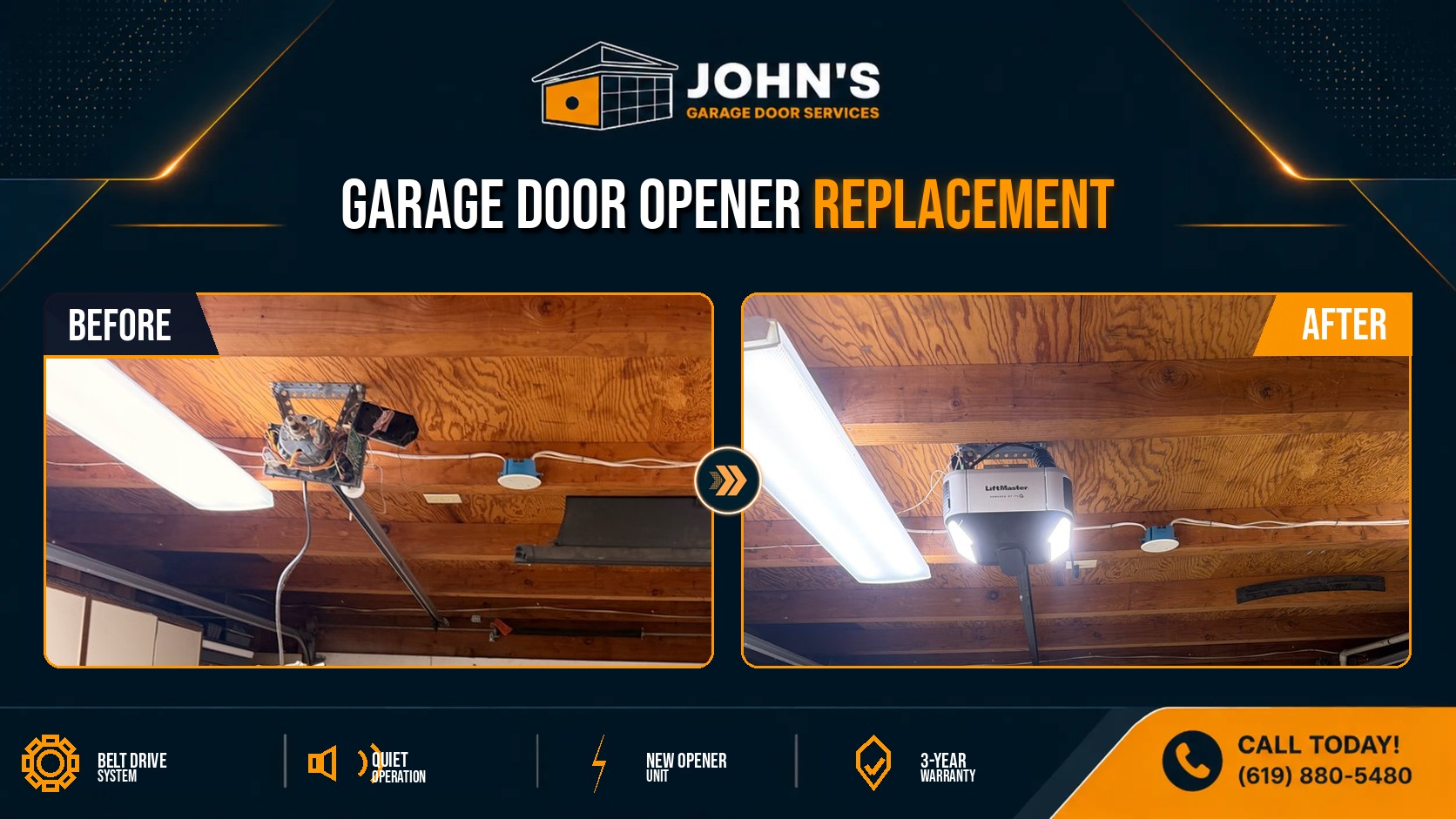
However, not all older models are compatible with retrofit battery modules. If your opener is more than ten years old, replacement is usually the better choice. Modern openers are quieter, more energy efficient, and include smart home integration that older units can’t match, plus they address concerns like Wi-Fi Garage Door Opener Security Risks with updated cyber protection features.
What Happens During a Home Sale Inspection
Here’s where this law really matters for San Diego homeowners. If you’re selling your home and you replaced your garage door opener after July 2019 without battery backup, a thorough home inspection will flag this as a code compliance issue.
I’ve been called to homes in La Mesa and El Cajon where sales were delayed because the seller installed a non-compliant opener, thinking they were saving money by using leftover equipment or choosing a budget model without battery backup. The buyer’s inspector caught it, and suddenly the seller faced unexpected costs and closing delays.
The fix isn’t complicated, but it requires either adding a compatible battery module or replacing the entire opener with a compliant model. We typically complete these corrections within a day or two, but it’s better to address compliance before listing your home and you can Get A Quote to understand the costs involved.
Battery Backup Maintenance and Replacement
Battery backup systems require maintenance just like any other battery-powered device. Most garage door opener batteries last three to five years depending on usage and how often they’re called into action during power outages.
Replacement batteries are readily available and relatively inexpensive. We stock batteries for all major opener brands and can replace them during routine maintenance visits throughout San Diego County.
Ensuring Your Garage Door System Meets Current Standards
California’s battery backup requirement reflects a broader commitment to home safety and emergency preparedness. While it adds a modest cost to new opener installations, the peace of mind during power outages is worth it.
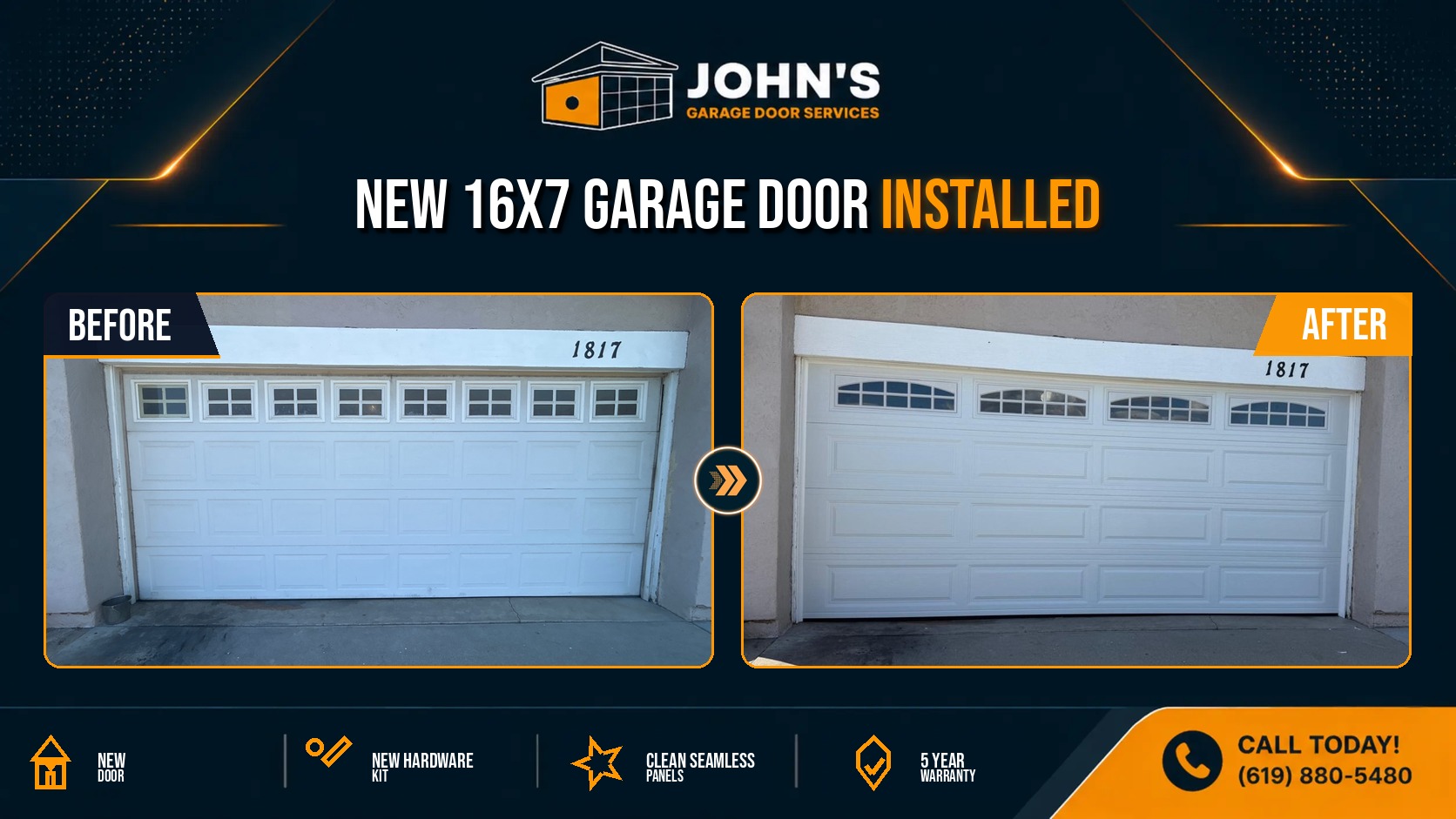
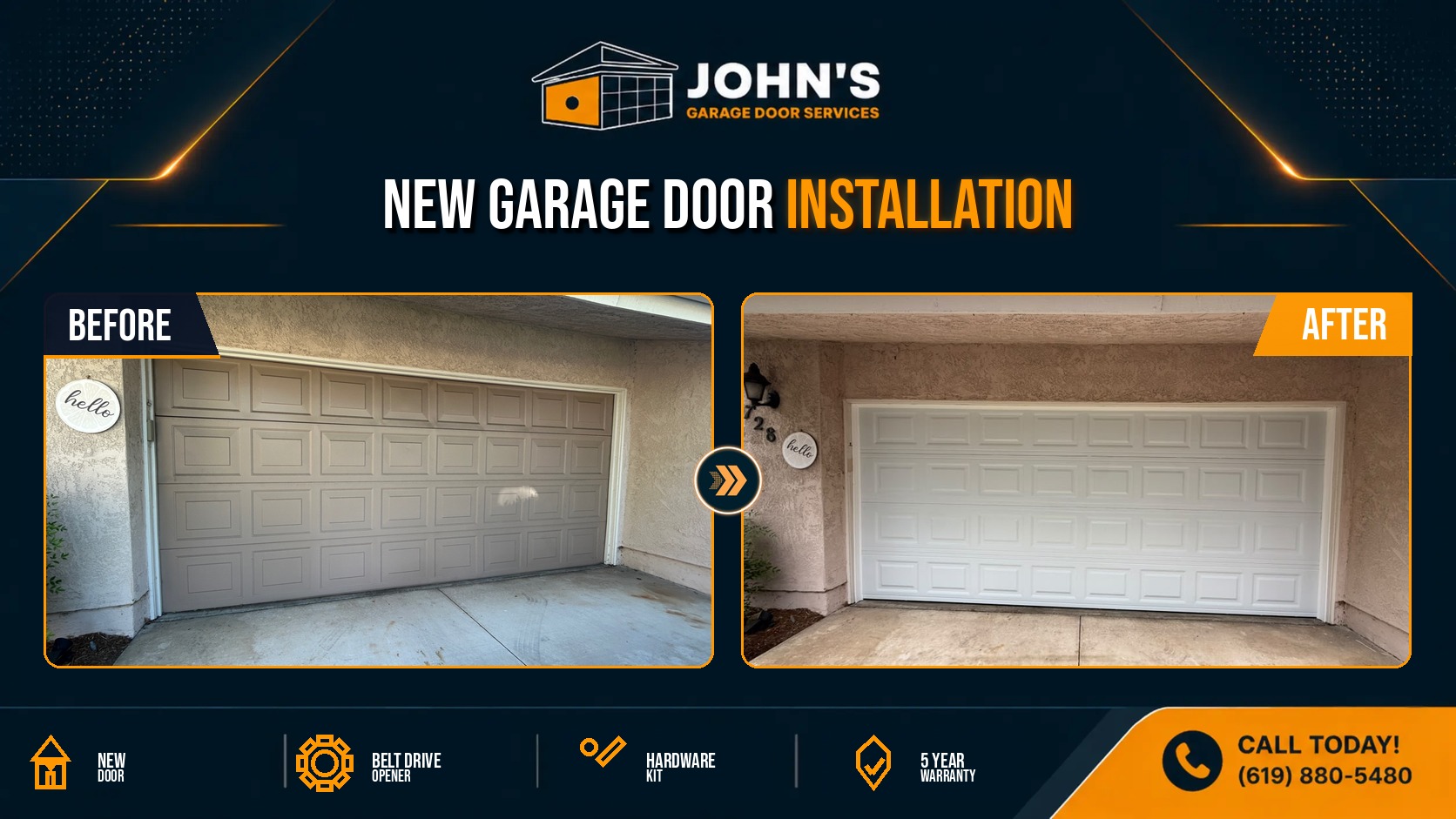
If you’re uncertain about your garage door opener’s compliance status or you need battery backup added to your system, our team at John’s Garage Door Services can assess your current setup and recommend the best solution. We ensure every installation meets California code requirements, so you won’t face surprises during inspections or emergencies. Whether you need a compliant opener or are considering a complete New Garage Door installation, give us a call and we’ll make sure your system is compliant, functional, and ready for whatever comes next.
John’s Garage Door Services is fully licensed (CSLB #1143037), insured, and proudly serves the entire San Diego County region. Whether you need emergency spring replacement on the coast in Oceanside, a smart opener setup in Poway, or track alignment in Chula Vista, our techs provide free on-site estimates across the 619, 858, and 760 area codes. Call us 24/7 at +1 619-880-5480.
John Josef – 15 Years of Garage Door Expertise – John’s Garage Door Services, Locally Owned and Operated. We provide top-quality garage door repair, installation, and maintenance with a strong commitment to honest, reliable customer service.